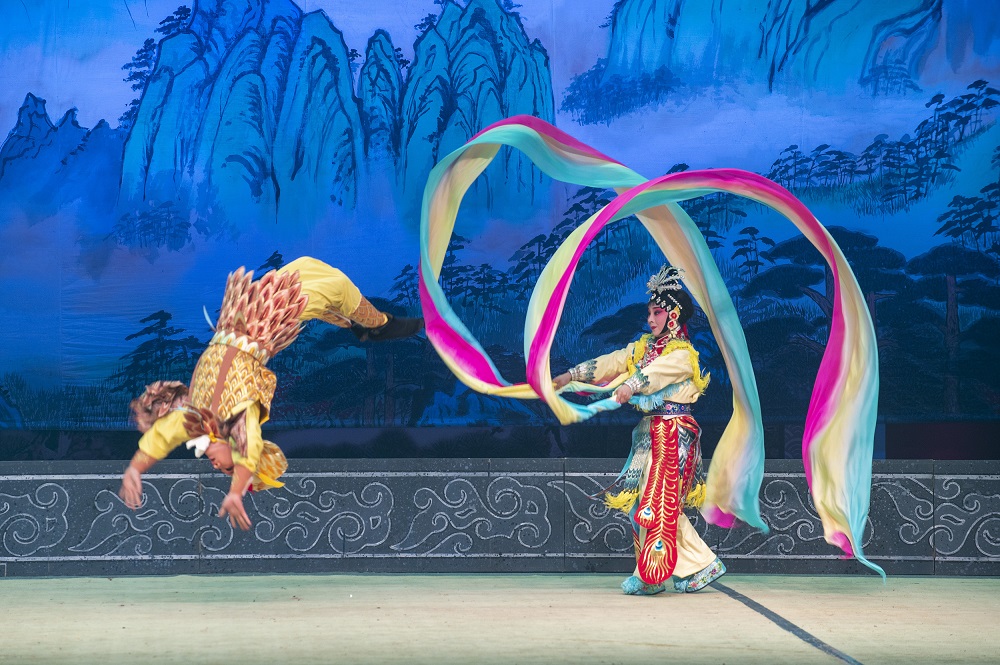
Wuju Opera
Introduction
Wuju Opera is an esteemed traditional Chinese art form originating from Lanxi, a city in the Jinhua area of Zhejiang province, East China. This classical opera form dramatizes six distinct folk tunes and was officially recognized as a national intangible cultural heritage in 2008. Wuju Opera is known for its unique blend of high-pitched vocal styles and vibrant performance elements, making it a significant component of Chinese cultural heritage. The Li Yu Drama Academy in Lanxi has been instrumental in preserving and promoting this art form, often featuring Wuju Opera in their performances. Named after the renowned 17th-century dramatist Li Yu, who hailed from Lanxi, the academy continues to play a vital role in the cultural landscape of Zhejiang province.
History
Origins
The roots of Wuju Opera trace back to the Ming Dynasty (1368-1644), with its inception in the Jinhua region of Zhejiang province. It evolved from a combination of various local folk opera elements and musical styles, amalgamating them into a cohesive and distinct form of theatrical performance. The opera's origins reflect the rich tapestry of cultural interchange that characterized the region, with influences from neighboring Anhui province contributing to its development. The name "Wuju" itself signifies the geographical and cultural amalgamation inherent in this art form, which has been cherished and nurtured over centuries.
Development Through Dynasties
Throughout the dynasties, Wuju Opera underwent significant transformations, adapting to the changing tastes and cultural preferences of its audiences. During the Qing Dynasty (1644-1912), it gained prominence and expanded its repertoire to include a variety of themes, from historical tales to mythological stories. The opera's integration of martial arts and complex choreography during this period added a dynamic element to its performances, enhancing its appeal. Despite these changes, Wuju Opera has remained true to its traditional roots, preserving its unique musical and theatrical elements.
Characteristics
Musical Elements
Wuju Opera is characterized by its distinctive musical style, which includes high-pitched singing and a blend of six folk tunes, each contributing to the opera's rich auditory tapestry. The vocal music and tunes collected over the years by entities such as the Zhejiang Wuju Opera Troupe have helped preserve the opera's authentic sound. The repertoire includes a variety of vocal techniques that enhance the emotional depth of the performances, captivating audiences with their melodic complexity. This musical diversity allows Wuju Opera to convey a wide range of emotions and narratives, making it a versatile and expressive art form.
Costume and Makeup
The costumes and makeup of Wuju Opera are vibrant and elaborate, reflecting the cultural and artistic heritage of the region. Traditional facial makeup designs of Wuju Opera are unique, often symbolizing various character traits and emotions through color and pattern. The costumes are similarly intricate, with designs that draw on historical and mythological motifs, enhancing the visual spectacle of the performances. The attention to detail in costume and makeup not only preserves the aesthetic traditions of the opera but also plays a crucial role in storytelling, with each element contributing to the overall narrative and emotional impact.
Performance Style
Wuju Opera is renowned for its dynamic performance style, which combines elements of acting, singing, dance, and martial arts. The choreography often involves complex movements that require agility and precision, with performers using gestures and expressions to convey the story. Techniques such as "molian" (face-touching) and "chuilian" (face-blowing) are distinctive to Wuju performances, allowing actors to change facial colors to express different emotions. This unique fusion of performance arts makes Wuju Opera a captivating and engaging spectacle, showcasing the performers' skills and the rich cultural heritage from which the art form springs.
Notable Performances
Over the years, Wuju Opera has produced numerous notable performances that have captivated audiences both domestically and internationally. Productions such as The Gold Seal, The Story of Delivering Rice, and The White Snake Legend have become classics of the genre. Xishi's Tears, adapted into a film by the Changchun Film Studio in 1981, received acclaim and was awarded Best Film of Traditional Opera at the 5th Xiaobaihua Competition. The opera's adaptation of The Former Story of White Snake garnered praise for its innovative presentation, showcasing the evolution and adaptability of Wuju Opera. These performances highlight the tradition's ability to resonate with contemporary audiences while maintaining its historical roots.
Influences and Impact
Wuju Opera holds significant cultural influence, serving as a vital representation of Zhejiang's regional art and a cornerstone of Chinese opera. Its integration of local folklore, musical styles, and theatrical traditions exemplifies the cultural richness of the Jinhua area. The opera has played a crucial role in preserving and promoting regional narratives, contributing to the broader tapestry of Chinese cultural heritage. It also serves as a medium for cultural exchange, with performances often evoking themes of harmony and intercultural dialogue, resonating with audiences across different cultural contexts.








